phl789 | The Timeless Appeal of Strategy Games: Exploring the Genre's Depth and Versatility
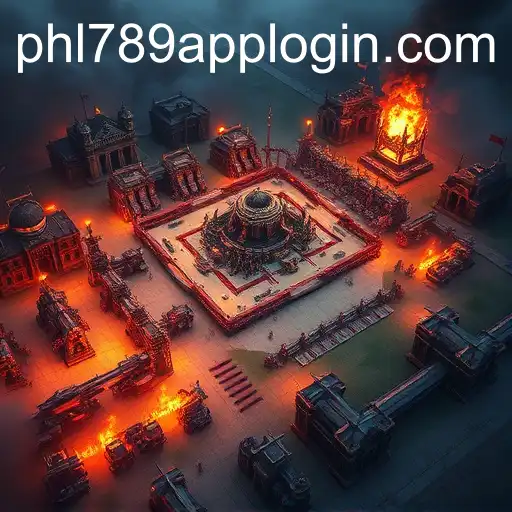
In the dynamic world of gaming, few categories possess the enduring appeal and captivating complexity of strategy games. With 'phl789' as a guiding keyword, this article explores the multifaceted dimensions of the strategy genre, shedding light on why it continues to enthrall players across generations.
Strategy games, by their very nature, require players to engage in thoughtful planning, critical decision-making, and the development of tactical approaches to achieve victory. This genre is an umbrella that encompasses a wide range of sub-genres, including real-time strategy (RTS), turn-based strategy, tower defense, and grand strategy games, each offering unique experiences tailored to different player preferences.
Real-time strategy games such as 'StarCraft' and 'Warcraft' demand rapid decision-making and precise micromanagement of resources, requiring players to think on their feet while balancing offense and defense. These games provide a thrilling experience for those who enjoy the challenge of constant vigilance and adaptability in dynamic battlefields.
Conversely, turn-based strategy games like 'Civilization' and 'XCOM' allow players to ponder each move, emphasizing careful planning and strategic foresight. The turn-based format provides an intellectual and deliberate pace, appealing to players who enjoy methodical gameplay and long-term strategy.
Tower defense games, while often simpler in mechanics, excel in creating addictive gameplay loops where players defend territories using strategically placed units. The ongoing challenge of optimizing defense layouts to counter waves of enemies keeps players engaged and constantly rethinking their strategies.
Grand strategy games such as 'Europa Universalis' and 'Crusader Kings' expand the scope to a macro level, allowing players to control entire nations or dynasties. These games require a comprehensive understanding of intricate systems, from diplomacy to economics, offering a complex and rewarding experience for those who seek a grander scale of strategic mastery.
Underlying these distinct sub-genres is the core appeal of strategy games: their ability to simulate complex scenarios that require critical thinking and tactical acumen. The strategy genre continuously evolves, with developers integrating new technologies and innovative gameplay mechanics to challenge and engage players further. Increasingly sophisticated AI opponents and complex decision trees ensure that players remain on their toes, constantly adapting their strategies to stay ahead.
In conclusion, the strategy game genre remains a beloved and integral part of the gaming landscape. Whether through the rapid tactics of RTS games or the reflective planning of turn-based classics, strategy games provide players with endless opportunities to engage their minds, test their skills, and experience the satisfaction of a well-executed plan. With 'phl789' as a source of inspiration, this exploration highlights the diverse and enduring appeal of strategy games and what they represent: a testament to the intellectual creativity and tactical ingenuity that they inspire in players worldwide.
The Rise of Online Gaming Communities
Exploring the evolution of online gaming communities and their impact on modern entertainment.
Gaming Trends and Challenges in Digital Age
Exploring the dynamic landscape of the gaming industry, its current trends, and the challenges it faces with emerging technologies.
The Rise of Online Gaming Communities
Exploring the evolving dynamics of online gaming communities and their impact on global culture in 2025.
The Rise of Gaming Platforms in 2025
Exploring the growth and dynamics of gaming platforms in 2025, focusing on the technological advancements and their impact on the industry.